
#SpectralGeologyThursday #15 🛰️ 🪨
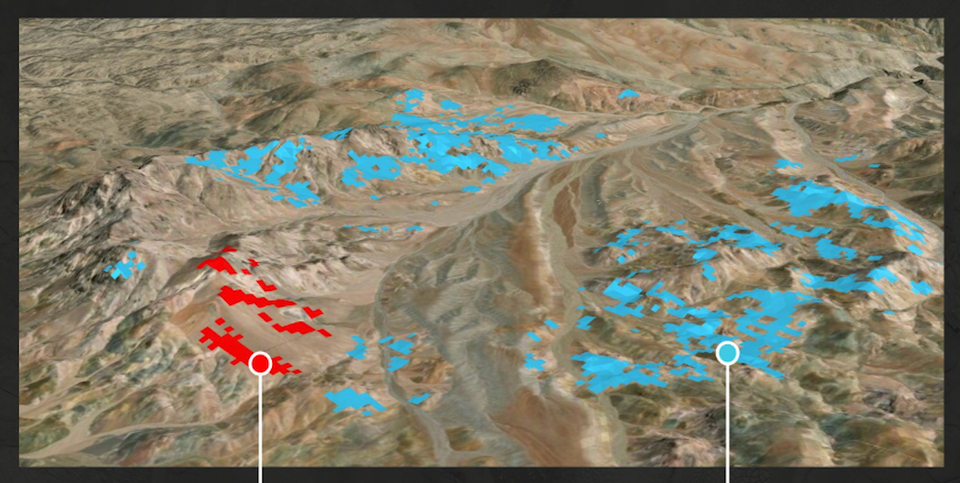
Today's topic: alunite and muscovite mapped together on EMIT hyperspectral data in the Andes. Both field pixel curves show strong similarity to the USGS reference curves at their diagnostic SWIR features (see slide 1).
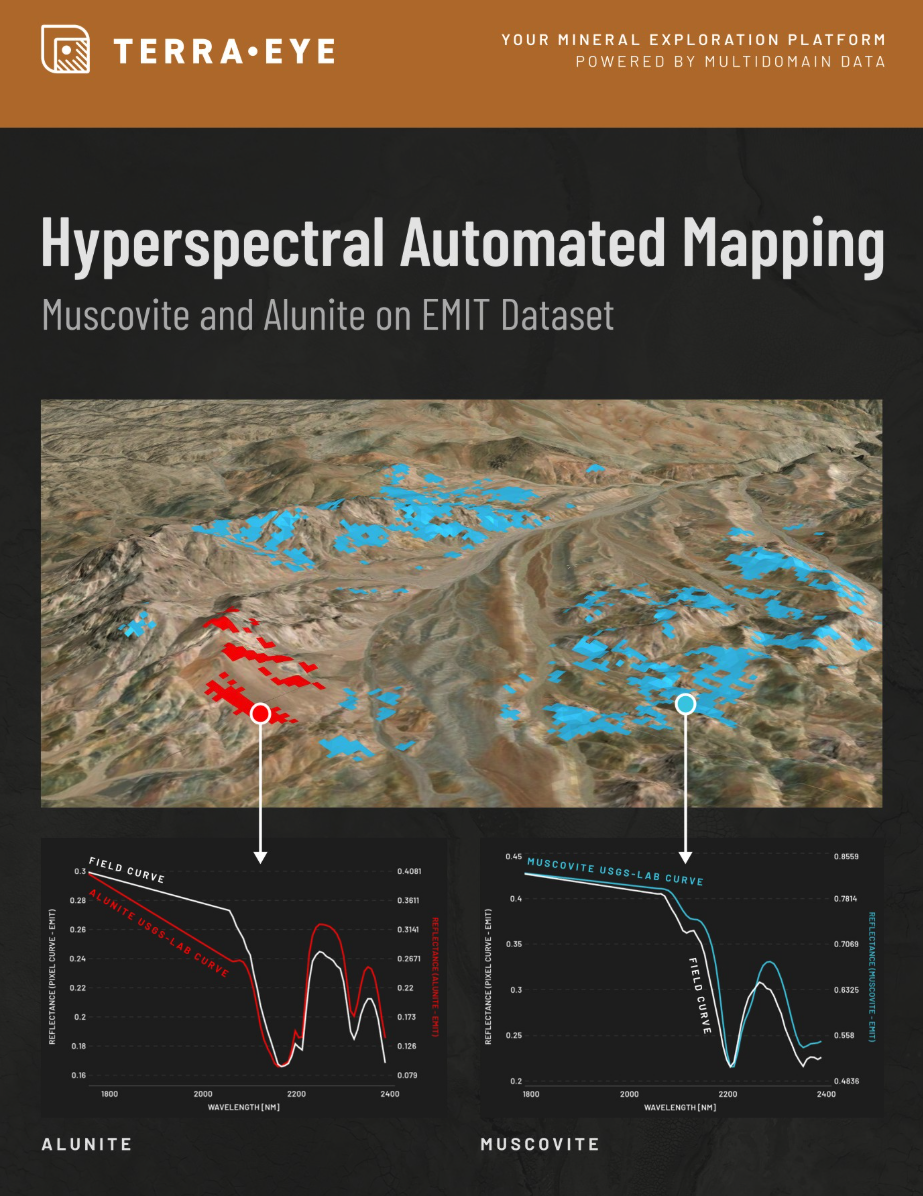
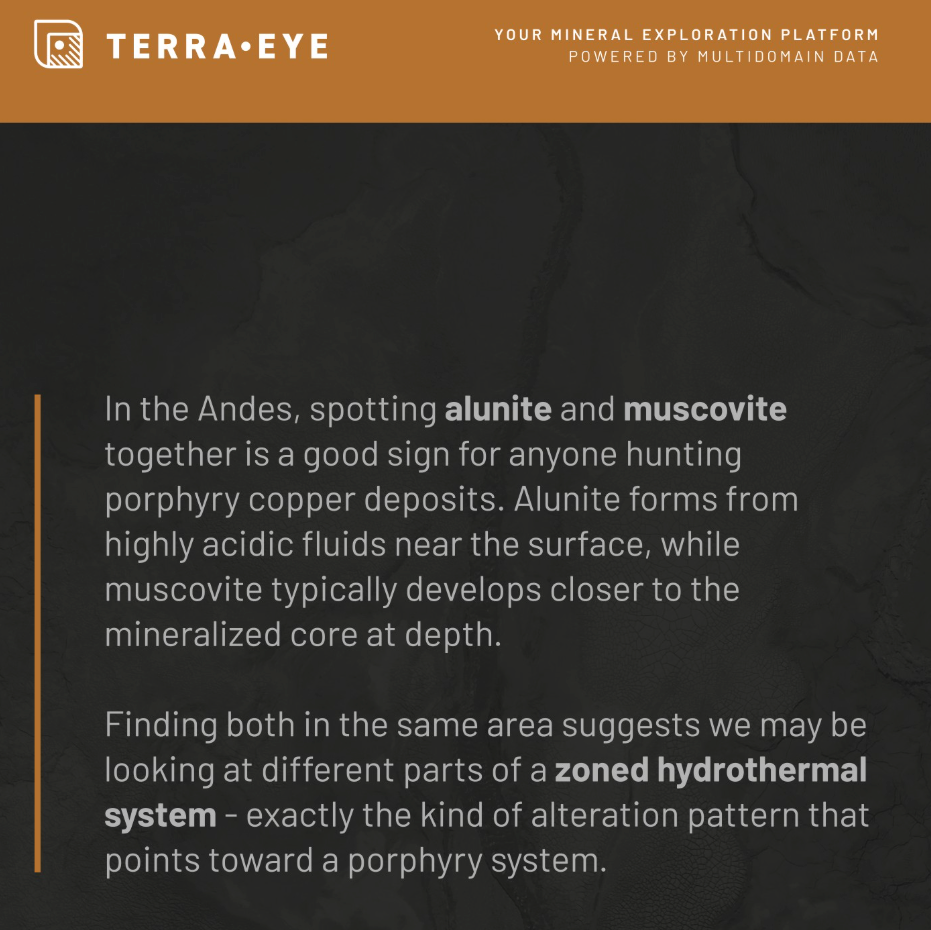
Alunite usually forms from highly acidic fluids near the surface, while muscovite typically develops around the deeper, mineralized core of a porphyry system. Spotting both in the same area suggests we may be looking at different levels of a zoned hydrothermal system. In the Andes, home to some of the world's largest porphyry copper deposits, this kind of alteration zoning is one of the key surface indicators for narrowing down where to look next.
Still - this is a strong hint, not proof. The same minerals can also occur in high-sulfidation epithermal systems. Field verification is what turns a Spectral Target into a geological one.
-
Spectral Geology Thursdays is a series for everyone involved in mineral exploration or just curious about the use of remote sensing in geology. I'll be sharing short posts offering insights into what it's really like to work with satellite spectral data.
Magdalena Laban-Cieślik